
Cards, E-Wallets and Bank Transfers: How They Compare
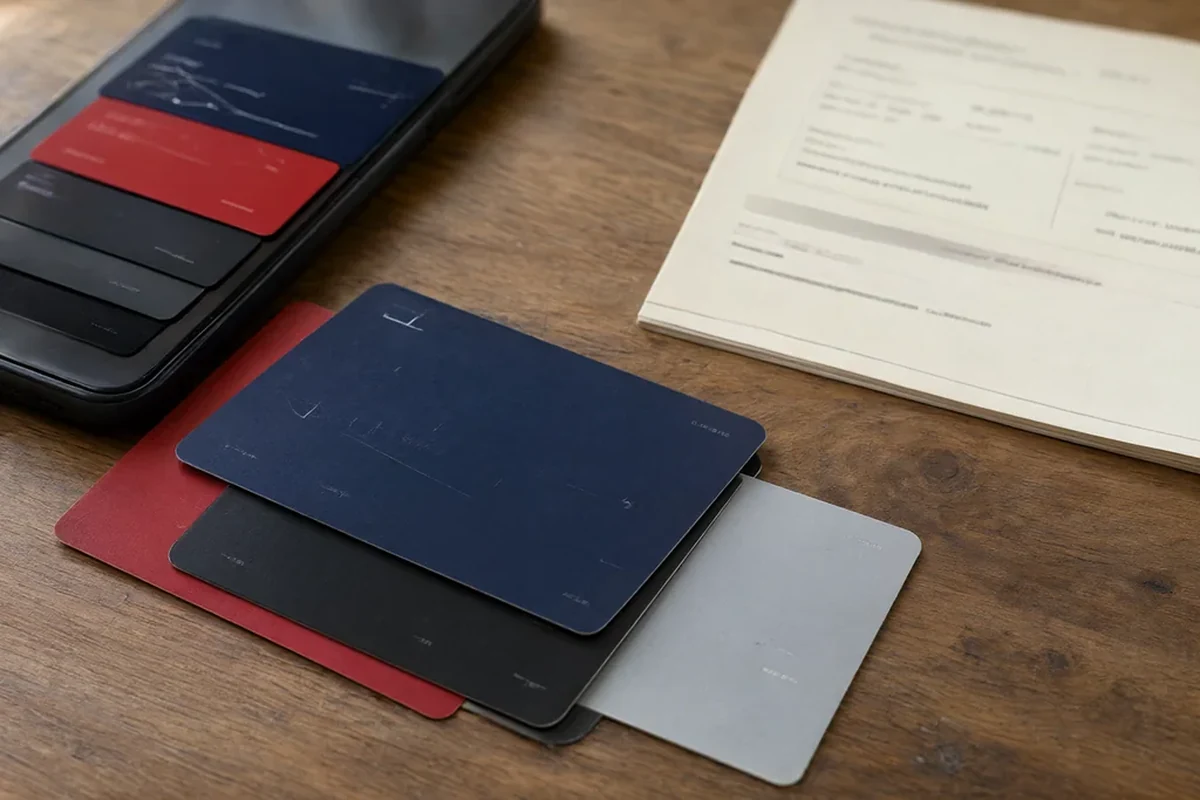
Deposits and withdrawals rarely use the same method, and the differences between methods matter more than the brand names attached to them. Each route trades speed, cost, reversibility and convenience against the others, and the best choice depends on what you personally value. This article sets out the general strengths and weaknesses without picking a winner.
No method is universally best. A route that suits someone who wants an instant deposit may be exactly the wrong one for someone who wants a dispassionate record and a simple dispute path.
The method you choose also decides what evidence survives a disagreement. A route that leaves a clear, named record is far easier to defend than one that does not, and that quiet advantage becomes visible only on the day something actually goes wrong and the paperwork has to do the talking on your behalf.
The four dimensions that matter
Every payment method can be judged on four things: how fast it moves, what it costs, whether a payment can be reversed, and how easy it is to use. The order you rank these in is personal, and the only wrong answer is to ignore the trade-offs and be surprised by one of them later.
Reversibility is the dimension players most often overlook. A method that can be recalled is a comfort when something goes wrong and a complication when the operator expects a completed payment to be final. The right balance depends on how you intend to use it.
Cards, wallets and bank transfers
Cards are familiar and widely accepted, and they usually carry the strongest dispute options through the card network. Their weakness is that a disputed payment can be reversed away from the operator, which is why many casinos process card withdrawals slowly and prefer to pay out by another route.
Wallets sit in the middle: quick, convenient and often the practical bridge between a card and a casino balance. Bank transfers are slower and more formal, but they leave a clear record and suit larger movements. Each family behaves differently enough that comparing them well means comparing the trade-off, not the logo.
What to weigh before choosing
The list below is the short version of the comparison. Treat it as a set of questions rather than a ranking, since the answer changes with what you need from the payment.
- Speed of deposit versus speed of withdrawal, which are rarely the same.
- Fees, which may be charged by the method rather than by the operator.
- Reversibility, which is a comfort in a dispute and a friction in normal use.
- Record keeping, where a formal transfer leaves the clearest trace.
- Whether the same method can both deposit and receive a payout.
Fees deserve closer reading than they usually get. Some costs belong to the operator and others to the payment method itself, and a route that looks free on one side can carry a charge on the other. The payment terms are the only reliable place to work out which is which, and reading them once is cheaper than discovering it at the wrong moment.
Why the same method may not work both ways
A common disappointment is discovering that the method used to deposit cannot receive a withdrawal. This is usually a limitation of the payment provider rather than a policy of the casino, and it forces a different route on the way out, which in turn can require additional verification.
The remedy is to check the payout side before depositing. Where a deposit method cannot pay out, the operator will normally send winnings by another method in your name, and knowing that in advance avoids the impression that something has gone wrong.
Speed is the most emotional dimension and the least decisive. A deposit that lands in seconds is pleasant, but a payout that arrives predictably matters far more, because it is the direction in which a disappointment actually hurts. Choosing a method that is merely adequate both ways usually beats one that is excellent in only one direction.
Comparing the main options
The table below summarises the general shape of each family. Real terms are set by the operator and by the provider, so treat these as tendencies rather than promises.
Read the column that matters most to you first, then check the others. A method that is strong where you care and weak where you do not is often a perfectly sensible choice.
| Method | Strength | Weakness |
|---|---|---|
| Card | Wide acceptance and dispute options | Reversibility makes payouts slower |
| E-wallet | Fast and convenient both ways | Another account to hold and protect |
| Bank transfer | Formal record and suited to larger sums | Slower and more paperwork |
| Prepaid voucher | Simple and can cap your exposure | Often deposit-only with no payout |
| Crypto transfer | Fast once confirmed and borderless | Irreversible and volatile |
Choosing sensibly
There is no single best method, only a method that fits how you play and what you value. Decide whether speed, cost, reversibility or record keeping matters most to you, then pick the route that is strong on that dimension and acceptable on the others.
Whatever you choose, use it in your own name and confirm the payout side before you deposit. Those two habits remove most of the friction that payment methods otherwise introduce, and they cost nothing but a few minutes of checking.
Read next
Why Deposits Arrive Fast and Withdrawals Take Longer
Money enters an account in seconds and leaves through verification, review and a payout queue. What slows a withdrawal and why the name must match.
Chargebacks Against a Casino: When a Card Dispute Works
A card dispute can recover money an operator will not return, and can also close your account. When it fits, what to try first, and who handles the case.
Crypto at Casinos: Confirmations, Wallets and Lost Funds
Crypto moves risk rather than removing it. How confirmations delay a credit, why a wrong address is final, and how to protect the wallet you pay from.