
Crypto at Casinos: Confirmations, Wallets and Lost Funds
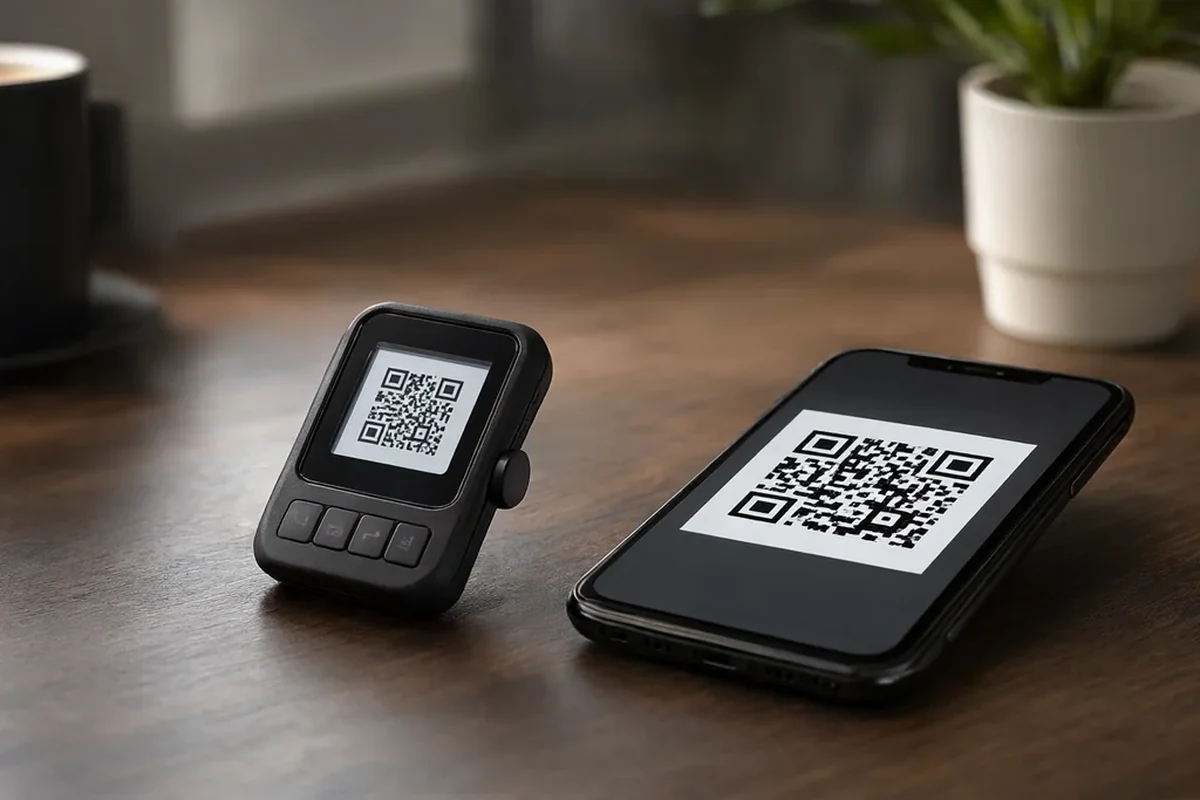
Crypto has become a familiar option at casinos that aim at players comfortable with digital wallets. It offers speed and privacy that card payments do not, and it removes the operator from the middle of the transfer. It also introduces risks that card users never meet, because a crypto transfer is final in a way a card payment is not.
Crypto is neither automatically safer nor automatically riskier than other methods. It moves the risks around, and knowing where they land is what makes it a reasonable or an unreasonable choice for you.
Crypto is neither automatically safer nor automatically riskier than a card. It relocates the risks rather than removing them, and knowing precisely where they land is what makes it either a sensible choice for a particular player or an entirely unsuitable one, depending on what that player values.
How a crypto payment works
A crypto deposit is a transfer of value on a public network from your wallet to the operator’s. Once the network confirms the transaction, the funds cannot be recalled by you, the operator or anyone else. There is no chargeback and no dispute process, because there is no intermediary holding the power to reverse it.
Withdrawals work in the opposite direction and depend on the address you supply. A wrong address does not return the funds; it sends them somewhere no one can retrieve. That single detail is the reason crypto demands more care than a card at the moment of payment.
Confirmations and timing
A crypto transfer is not complete the instant it is broadcast. It waits for the network to include it in a block and for that block to gather confirmations, which is how the recipient knows the transfer will not be undone. The number of confirmations an operator requires is a policy choice, and it is why a crypto deposit can appear quickly without yet being spendable.
Withdrawals carry the same wait in reverse, and an operator may hold a payout until its own network confirmation threshold is met. None of this can be hurried by complaining, because the timing is set by the network rather than by the casino.
The risks that come with irreversibility
Irreversibility cuts in two directions at once. It is what makes a crypto payout fast and uncontestable, and it is also what makes a mistake permanent. Both effects are the same property, seen from different sides.
- A transfer sent to the wrong address cannot be returned to you.
- There is no chargeback if you regret a payment you authorised.
- Your own wallet is now part of your security: lose the keys, lose the funds.
- The value of what you hold can move sharply between deposit and play.
- Third-party payment for an account is just as problematic as with cards.
The network does not care who owns an address. It confirms a transfer to whoever holds the key, which is why the security of the wallet matters far more than the reputation of any casino receiving from it, and why a lost key is a loss that no operator can reverse.
Protecting your own wallet
A casino account is only as safe as the wallet that funds it, and the wallet is entirely your responsibility. If someone else holds your keys, they hold your money, and no casino can reverse a transfer once it has been made.
Keep the keys to any wallet holding real value under your own control, use a second factor where the wallet supports it, and treat a request to share a key or a seed phrase as a scam whatever it claims to be. Genuine support never needs either.
Volatility is the dimension players most often forget. Value held in a wallet can move while a session is under way, so the amount staked and the amount received may not be the same figure even in a winning round, which makes a stable reference point worth having before you begin.
Crypto compared with the alternatives
The table below sets the main differences side by side, so that the choice can be made on the trade-offs rather than on the fashion of the moment.
Read it with your own situation in mind. For a player who values finality and speed, crypto can be a good fit; for one who values a dispute route, a card is the better tool.
| Feature | Crypto | Card |
|---|---|---|
| Speed | Fast once the network confirms | Deposit fast, payout often slower |
| Reversibility | None: the transfer is final | A dispute route exists |
| Dispute path | Not available | Through the card network |
| Your responsibility | High: you guard the keys | Lower: the provider holds the account |
| Value stability | Can move sharply | Stable in your own currency |
A method to use deliberately
Crypto payments suit players who want speed and finality and who are prepared to carry the responsibility that comes with them. They are a poor fit for anyone who wants a dispute route when something goes wrong, because that route simply does not exist.
If you use crypto, slow down at the two moments that matter: check the address before you send and keep the keys to your wallet under your own control. Almost every crypto payment disaster is one of those two mistakes, and both are avoidable with a moment’s care.
Read next
Why Deposits Arrive Fast and Withdrawals Take Longer
Money enters an account in seconds and leaves through verification, review and a payout queue. What slows a withdrawal and why the name must match.
Cards, E-Wallets and Bank Transfers: How They Compare
Each route trades speed, cost, reversibility and record keeping against the others. What to weigh, and why a method may pay in but not pay out.
Chargebacks Against a Casino: When a Card Dispute Works
A card dispute can recover money an operator will not return, and can also close your account. When it fits, what to try first, and who handles the case.