
KYC Checks at Casinos: Why ID Is Asked For
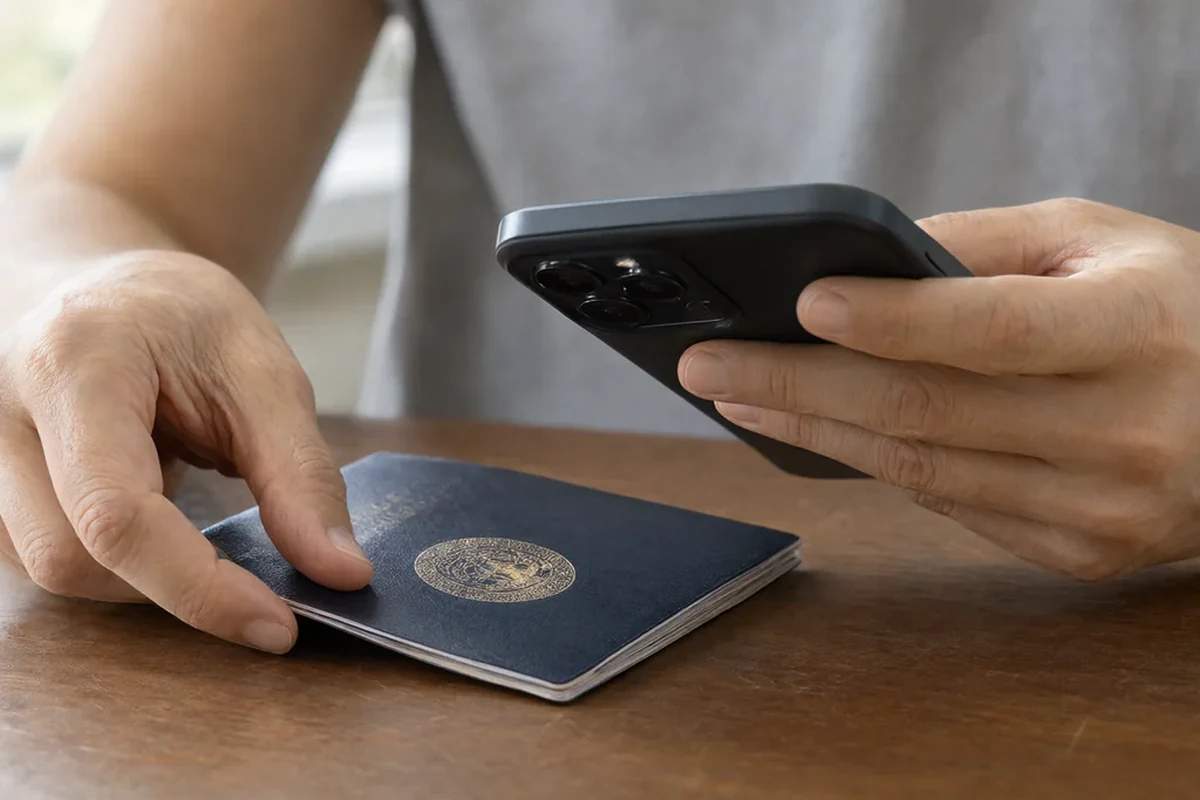
Verification, usually called KYC, is the step where an operator confirms that a customer is who they claim to be. It is required by licensing rules and it applies to everyone, not to a suspicious few. Understanding why it exists and how it works makes the process quicker and removes much of its frustration.
Verification also involves handing over sensitive documents, which makes doing it safely as important as doing it at all. This article covers both the why and the how.
Verification is applied to everyone, not to a suspicious few. Treating it as an accusation is the commonest mistake players make, and it turns an ordinary administrative step into an adversarial one, which only makes the whole process slower and more irritating than it needs to be.
Why identity checks exist
Licensed operators are required to know who their customers are. The rules exist to prevent money laundering, to keep underage players out and to ensure that winnings reach the right person. None of these objectives is achievable without knowing who is on the other side of the account.
This is why verification is a condition of a licence rather than a courtesy. An operator that skipped it would be breaking the rules it operates under, so the check protects the market as well as the individual player.
What is normally asked for
Verification usually begins with identity documents and proof of address, and may extend to payment instruments or source-of-funds evidence where the activity calls for it. The request scales with the risk rather than with the size of your balance.
The documents are standard because the rules are standard: a government identity document, something showing your address, and sometimes evidence connecting a payment method to you. An operator asking for more than that should be able to explain why.
Doing it safely
Because verification involves your most sensitive documents, the channel you use matters as much as the documents themselves. The list below covers the habits that keep the process secure as well as successful.
- Send documents only through the operator’s own secure upload, never by email.
- Verify that you are on the operator’s real domain before you upload anything.
- Keep a note of what you sent and when, in case it is questioned later.
- Treat any unexpected follow-up request as something to verify, not to obey.
- Be wary of anyone offering to complete verification for you.
An operator may also ask for more when the activity calls for it, and the request scales with risk rather than with the size of the balance. A question that seems intrusive is usually one the rules require the operator to ask, and the operator has little discretion to simply skip it.
When to verify
The best time to verify is before you need to. An account that is already verified pays out without delay, while one that is not meets the requirement at the moment it can least afford a wait.
Verifying early also removes the possibility of discovering, at the worst moment, that a document is expired or a name does not match the payment method. Those are small problems when there is time to fix them and serious ones when a payout is waiting.
The timing of verification is largely within your control, and that is the point. Completed early, it is a quiet task that takes a moment; left until a payout, it becomes a wait at exactly the moment a wait is least welcome and most likely to feel like a refusal.
Matching your details
Verification succeeds when the account, the documents and the payment methods all tell the same story. The table below shows the usual requirements and the mismatches that cause delays.
Keeping these aligned from the beginning costs nothing and prevents almost every verification problem. Where a detail has genuinely changed, updating it before a payout is far easier than explaining it afterwards.
| Element | Usually required | Common mismatch |
|---|---|---|
| Identity | A government document in your name | A nickname or a maiden name |
| Address | A recent document showing where you live | An old address still on file |
| Payment method | A method registered to you | A card or account in another name |
| Age | Confirmation that you are an adult | A date of birth that does not match |
| Source of funds | Evidence only when risk requires it | A refusal to explain at all |
Documents expire and details change, so a verification that succeeded once can need repeating later. Keeping the record current is a small habit that prevents a large inconvenience, and it takes only a few minutes each year rather than a frantic afternoon at the worst possible time.
A normal, protective step
Verification is an ordinary requirement rather than a suspicion, and it is easier the earlier it is completed. Do it before you need the money, send documents only through the secure route and keep the details consistent across the account.
Done that way, verification is one quiet task at the start rather than an obstacle at the end. It also leaves you with something valuable: an account that is ready to pay out whenever you decide to stop.
Read next
Casino Terms and Conditions: The Clauses That Matter
The contract decides more than the design ever will. Which clauses to read first, how wagering requirements work, and where terms can favour the player.
How to Escalate a Casino Complaint Beyond Support
Most disputes are lost on poor records, not weak arguments. How to document from the first message, escalate in order, and reach an alternative dispute body.
Your Casino Data: Access, Correction and Deletion
Many jurisdictions let you see, correct and sometimes erase what an operator holds. Where the limits fall and how to make a request that gets answered.