
Two-Factor Authentication for Casino Accounts
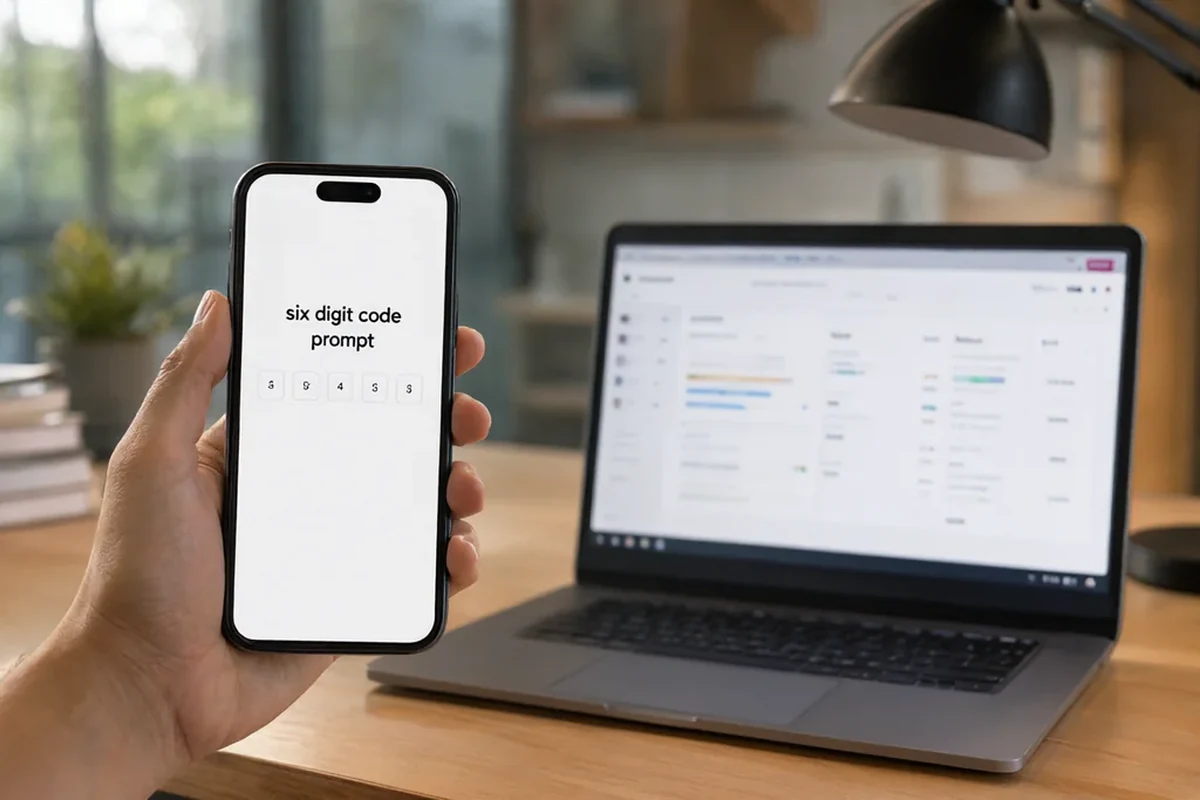
A password is one thing an attacker needs. A second factor makes it two, and that difference is decisive. When a stolen password is no longer enough to get in, the most common kind of account takeover stops working altogether. This article explains how the second step works and which forms of it are worth having.
Two-factor authentication is not perfect, and some forms are far stronger than others. Knowing which is which helps you choose the option that genuinely protects you rather than the one that merely satisfies a checkbox.
What a second factor is
Authentication factors fall into three kinds: something you know, something you have and something you are. A password is something you know. A code from an app on your phone is something you have. A fingerprint or a face is something you are. Combining two different kinds is much stronger than asking for two things of the same kind.
The value comes from the combination. An attacker who has learned or stolen your password still does not hold your device or your face, so the second step shuts the door they had already opened and leaves them outside with a key to a door that no longer opens.
Why it stops most takeovers
Password reuse and phishing are the usual ways credentials end up in someone else’s hands, and both attacks the first factor only. With a second factor in place, those stolen credentials are suddenly not enough, and the attacker must also defeat a step that is tied to a device you physically hold.
This is why the recommendation to enable it is so widespread and so persistent. Adding the second step is usually the single largest reduction in account risk available to a player, and it typically takes only a few minutes to set up and then never needs attention again.
Which second factors are stronger
Not every second step is equal. An authenticator app that generates codes locally is strong, because it works offline and cannot be intercepted the way a text message can. A hardware key is stronger still, because the secret never leaves the device and cannot be typed into a fake page at all.
Text-message codes are better than nothing but are the weakest common option, since a message can be intercepted or a phone number moved to a new SIM by an attacker. Back-up codes work as a recovery route rather than as everyday protection, and should be stored somewhere safe and offline before you ever need them.
| Second factor | Strength | Main weakness |
|---|---|---|
| Authenticator app | Strong; works offline | Can be lost together with the phone |
| Hardware key | Strongest; resists phishing | Can be lost or left behind |
| Text message | Weak; widely available | Interception and SIM-swap tricks |
| Back-up codes | Recovery route only | Must be stored safely in advance |
| Email code | Depends on the email account | That email may itself be compromised |
Common pitfalls to avoid
The classic mistake is to enable the second step and then lose the recovery codes. If the phone is lost or replaced and the codes are gone, regaining access can be slow and painful. Store the back-up codes offline before you need them, not afterwards under pressure.
Another trap is approving a notification that arrives when you are not logging in. If a second step is triggered and you did not start a login, do not confirm it; someone already has your password. Deny the request and change the password straight away.
When the second step gets in the way
A second step adds a little friction to every login, and that friction is precisely the price of the protection. If it becomes genuinely inconvenient, the answer is to choose a smoother factor rather than to switch the protection off altogether.
For most people an authenticator app strikes the right balance: it works without a signal, needs no extra hardware and takes only a moment. Whatever you choose, keep the recovery codes and review the setting occasionally, because a second factor left unused protects nothing.
The bottom line
A second factor turns a password into a password plus a device, and that is what makes a stolen password useless on its own. Enabling it, choosing a strong form and protecting the recovery codes are among the most valuable few minutes you can spend on any account that holds money.
Combined with a unique password, this is the core of practical account protection. Everything else — spotting phishing, keeping the device clean — reinforces that core rather than replacing it, and it is where we turn next.
- Authenticator app: strong, works offline, codes generated on your own device.
- Hardware key: strongest, resists phishing because the secret stays on the device.
- Text message: weak but better than nothing, exposed to interception and SIM tricks.
- Back-up codes: not everyday protection, but essential so you are never locked out.
- Email codes: only as safe as the email account they arrive in.
Enable the strongest factor you will actually keep using, and store the recovery codes before you ever need them.
Read next
Why Password Reuse Fails and How Managers Fix It
Most account takeovers start with a password leaked elsewhere. What makes a passphrase hard to crack, and how a manager keeps every login unique.
Spotting Phishing Emails and Cloned Casino Login Pages
The patterns behind fake security alerts and copied login pages, why urgency is the attacker's main tool, and the habits that defeat most attempts.
Securing the Phone or Laptop You Gamble On
Malware and stale software can hand over passwords and session cookies. What to update, how to lock a screen, and what to do with shared or public devices.